AI Has Become a Boardroom Issue for Nordic Companies
ArticleNovember 2, 2026
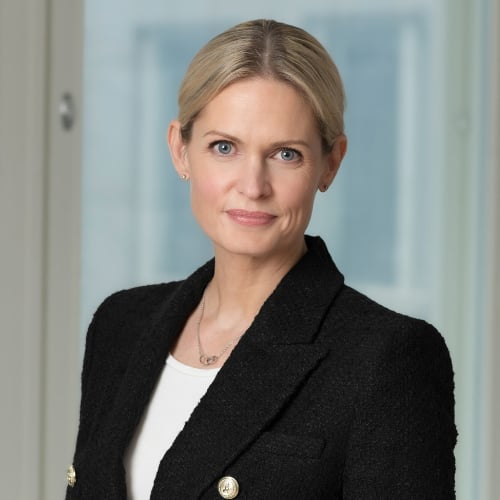
Artificial intelligence is rapidly transforming how organizations operate, compete and create value. As its use expands across business functions, questions around oversight, accountability and risk management are moving into the boardroom. In this article, Zurich Nordic's expert Jonet Danielsen explores the D&O implications of AI and what organizations should consider as governance expectations evolve.
Much like cybersecurity before it, AI is quickly moving from a technical topic to a boardroom priority. Regulators, investors, customers and other stakeholders increasingly expect leadership teams to understand how emerging technologies affect the organization and how the related risks are managed.
For directors, the challenge extends beyond approving technology investments. Boards should be able to demonstrate that AI is deployed responsibly, aligned with the organization’s strategy and values, and supported by appropriate legal, risk and compliance oversight.
Understanding the D&O Exposures of AI
AI-related claims and investigations may arise when stakeholders allege that directors or officers failed to exercise appropriate oversight, made misleading statements or did not respond adequately to emerging risks. Potential areas of exposure include:
- Overstating AI capabilities, readiness or expected business benefits.
- Providing incomplete or inaccurate disclosure of AI-related risks to investors, customers or other stakeholders.
- Failing to establish clear governance, accountability and escalation arrangements.
- Regulatory investigations concerning AI, privacy or data protection requirements.
- Allegations involving bias, discrimination or other harmful outcomes produced by AI systems.
- Intellectual property disputes involving AI-generated content or training data.
- Cyber incidents affecting, or enabled by, AI-supported systems.
The Nordic Perspective
The Nordic regulatory environment adds another dimension to the discussion. With the EU AI Act, GDPR and other resilience and cybersecurity requirements shaping the landscape, boards are expected to understand how AI is governed, deployed and monitored across the business.
Across the Nordic region, AI is playing an increasingly important role in sectors such as renewable energy, electrification, advanced manufacturing, telecommunications and critical infrastructure. Combined with high levels of digitalization and transparency, this means that decisions relating to AI are likely to attract close attention from regulators, investors, customers, employees and the media.
Questions Boards Should Be Asking
As AI adoption accelerates, the following questions can help organizations assess whether appropriate governance and oversight arrangements are in place:
- Does the board have visibility into how AI is being used across the business?
- Are accountability and oversight responsibilities clearly allocated?
- Are AI-related risks integrated into enterprise risk management, compliance and internal control frameworks?
- Do external statements accurately describe the organization's AI capabilities, limitations and material risks?
- How does the organization assess and oversee third-party AI providers?
- Is the company preparing for emerging regulatory requirements, including the EU AI Act?
- Are AI risks considered together with cyber, privacy, data protection and intellectual property risks?
The Role of D&O Insurance
D&O insurance is an important component of a broader governance and risk management framework. While coverage will always depend on the specific circumstances of a claim and the applicable policy wording, organizations and brokers should consider whether emerging AI-related exposures are appropriately reflected within their D&O program. Most D&O policies are generally capable of responding to AI-related exposures affecting directors and officers, without the need for specific affirmative AI coverage.
Building Resilience
Artificial intelligence presents significant opportunities for Nordic businesses, but it also introduces new legal, regulatory and governance considerations. The experience of cybersecurity demonstrates how quickly emerging technologies can become board-level issues.
Organizations that establish clear governance frameworks, robust controls and transparent decision-making processes will be better positioned to harness the benefits of AI while managing the associated risks.
AI is no longer solely a technology discussion. It is increasingly a leadership, governance and risk management issue with implications for boards, executives and the organizations they oversee.
For more information on how Zurich can help protect your business, please contact Jonet Danielsen, Senior Underwriter Financial Lines.